I am Paul, an executive assistant, project manager, and operations person who has spent ten years being the one C-level leaders hand things to. Somewhere along the way I also became the one who builds the system so the thing does not come back.
I work from Naga City in the Bicol region of the Philippines, on US hours, for US companies. That has been the shape of my career: remote before it was normal, inside American teams, holding the desk while the founder is asleep and handing it back before they wake up.
The short version of what I do is on the home page. This page is the longer version: where the work came from, how I think about it, and what I am like to work with.
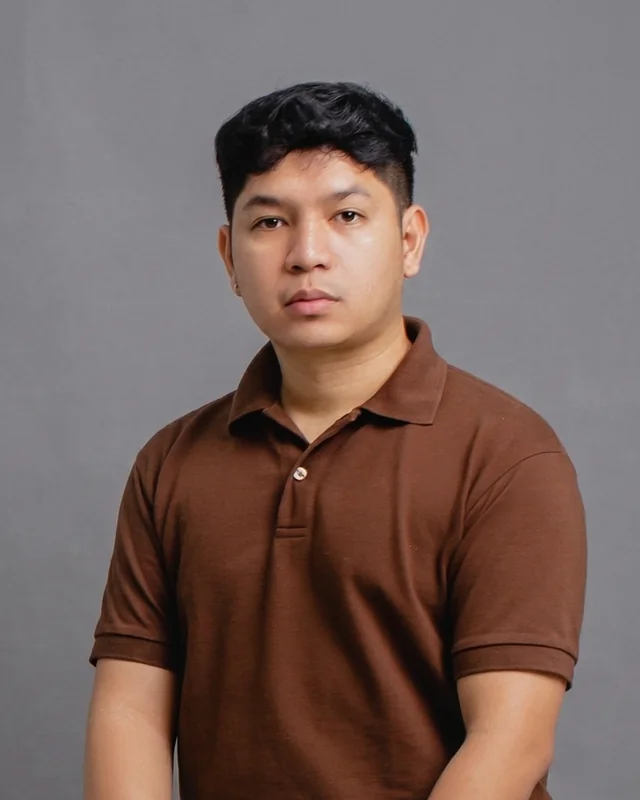
Where the work came from
I started in fintech, five years at Intuit as a subject-matter expert and escalation manager across TurboTax, Quicken, and QuickBooks. That is where I learned that the hard problems are rarely technical: they are a customer who has been passed around, a rule nobody wrote down, a number that does not reconcile. It is also where KYC, AML, and the discipline of defensible records became habits rather than acronyms.
From there, credit and collections for a construction firm, running the full credit-to-cash cycle and building the reminder and early-intervention process that brought receivables in. Then four years as a producer and project manager at a digital studio, delivering more than thirty websites, mobile apps, and web AR experiences for agency clients whose end brands included Google, Starbucks, HBO Max, and Coachella. Then two years as Senior Executive Assistant at a Nashville digital agency, running the desk for leadership across fifteen-plus client accounts, and, because nobody stopped me, automating most of the recurring work in the building.
The part that is unusual
Most executive assistants run the process. I rebuild it. When the quarterly client report took days by hand, I automated it. When the books could not say whether the company made money that month, I brought them current and built the projection the leadership planned against. When recurring work depended on someone remembering to create it, I wrote the rules that create it. On the side of all that I founded a small software studio, Kabuhayan I.T. Services, and built four production products alone: a lending-operations platform, a savings-circle app, a content tool, and a decision-support app for executive assistants that is, quite literally, the tool version of my day job.
I do not say this to sound like an engineer. I am an operator who can build, and that combination is the whole point of hiring me: you get the person who takes the work off your plate, and the person who makes sure it stays off. The case studies are the evidence.
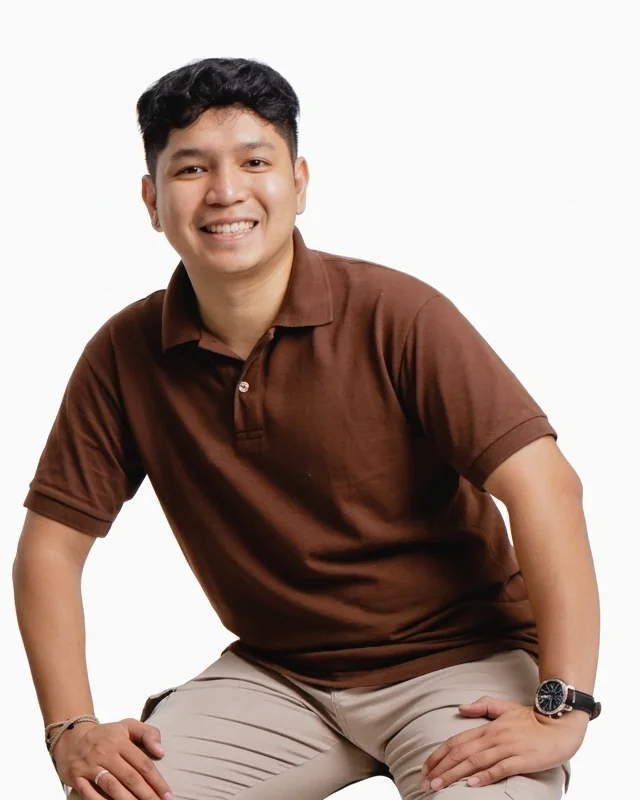
What I am like to work with
- I answer. Inbox at zero is a habit, not a goal. If you send it, you will hear back, even if the answer is "not yet, here is when".
- I write things down. Runbooks, SOPs, decision logs. If I am the only person who knows how something works, I consider that a bug and I fix it.
- I am careful with claims. Ten years around regulated money teaches you that a number you cannot trace is a liability. That is why the numbers on this site come with a method or do not appear.
- I say yes too much. This is the honest one. Curiosity has pulled me across operations, finance, hiring, support, delivery, and product, and it is why I can walk into a mess and fix it rather than route it. The cost is focus, and the version of me you would be hiring has learned to scope the yes: take the work, build the system, hand back the rest with a note on who should own it.
Why the tools and writing are free
There are fifteen working tools, twenty-eight playbooks, eleven briefs, and fifty-one articles on this site, and none of it is gated. Partly that is a portfolio: it is easier to show how I think than to tell you. Mostly it is because I built these things for teams I was on, and they still work for teams I am not on. If a one-page tool saves someone a bad meeting, that is a good outcome whether or not we ever speak.
Outside the work
Bicol, where I live, is on the far side of the Philippines from Manila: volcano country, rice, coconut, and a lot of rain. My workday runs on the US clock, so my mornings here are your evenings, and the studio work happens in the hours in between. If you have questions about time zones, the short answer is that I have been doing this for a decade and it works; the longer answer I am happy to give on a call.
Want the operator who also builds?
Remote executive assistant, project manager, and operations roles with US teams. Available now.